
- 01Source 1 — Crowdsourced GPS Data (Sabse Important)
- 02Source 2 — Historical Traffic Patterns
- 03Source 3 — User-Reported Incidents
- 04Source 4 — AI aur Machine Learning Prediction
- 05Source 5 — Government aur Infrastructure Data
- 06Kya Aapka Data Privacy Safe Hai?
- 07India mein Google Maps Traffic Accuracy
- 08FAQ — Google Maps Traffic
- 09Conclusion
Google Maps ek road pe exact jam dikha deta hai jab aap wahan se 10 minute door hote hain — yeh kaafi impressive aur thoda scary bhi lagta hai. Kaise jaanta hai Google itne precisely ki traffic slow hai ya fast? Kya aapka phone data share ho raha hai? Is guide mein Google Maps traffic system ke behind-the-scenes explain karenge — simply aur honestly.
Short Answer: Google Maps traffic data primarily aata hai logon ke phones se — anonymized GPS signals se speed aur movement detect hoti hai. Millions of users + historical patterns + reported incidents + AI predictions — sab combine hoke accurate traffic picture banate hain. Haan, aapka phone anonymized data contribute karta hai — aur isi se aapko bhi real-time traffic milti hai.
Source 1 — Crowdsourced GPS Data (Sabse Important)
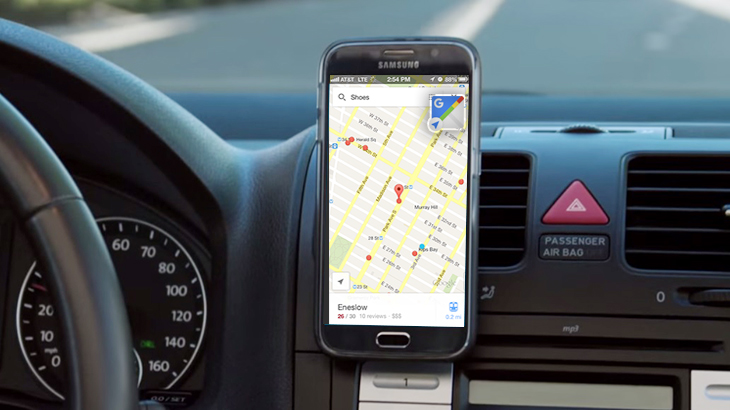
Yeh sabse bada aur most accurate source hai. Jab aap Google Maps use karte hain navigation ke liye — ya even background mein — aapka phone GPS location anonymized form mein Google ke servers pe jaata hai.
Sochiye: Delhi mein ek highway pe 10,000 log Google Maps open kiye car mein chal rahe hain. Agar unke phones 20 km/h speed report kar rahe hain jahan speed limit 60 km/h hai — traffic jam clearly visible ho jaata hai Google ke servers pe. Yeh data real-time update hota hai — virtually live.
Android phones Google location services ke through automatically contribute karte hain agar “Location” ON hai. iPhone pe Google Maps active hone pe contribute karta hai.
Source 2 — Historical Traffic Patterns
Google ke paas years of historical data hai:
- Monday morning 9 AM Mumbai Western Express Highway pe hamesha heavy traffic hota hai — yeh historical pattern hai
- Festival days pe specific routes pe predictable patterns hain
- Office lunch hour pe city centers slow hote hain
Agar live data available nahi hai (koi user us road pe nahi hai abhi) toh Google historical pattern use karta hai estimate ke liye — “Typically X minutes” dikhata hai.
Source 3 — User-Reported Incidents
Google Maps mein users incidents report kar sakte hain:
- Accident report karna
- Road closure
- Speed trap / police
- Object on road
Yeh Waze (Google ka owned app) se highly integrated hai — Waze community active reporters ke liye famous hai. Waze data Google Maps mein bhi appear karta hai.
Source 4 — AI aur Machine Learning Prediction
Google ka AI system future traffic predict karta hai:
- Current conditions + historical patterns + upcoming events (cricket match, concert, festival) combine karke
- “Traffic in 30 minutes” prediction — current trend + typical patterns
- DeepMind ne Google Maps ke prediction accuracy 2020 mein 50% improve kiya
Source 5 — Government aur Infrastructure Data
Kuch cities mein Google government traffic sensors se bhi data leti hai — India mein Mumbai, Delhi, Bangalore ke traffic management systems ke saath partnerships. Toll booths, highway cameras — kuch data feeds available hain.
Kya Aapka Data Privacy Safe Hai?
Google ka claim hai ki location data anonymized aur aggregated hai — individual users track nahi hote traffic calculation mein. Lekin:
- Google apna Location History feature maintain karta hai separately — timeline.google.com pe dekh sakte hain
- Location History OFF karna possible hai: Google Account → Data & Privacy → Location History → Turn off
- Maps navigation ke liye contribution pause karna: Maps Settings → Location → Pause
Privacy note: Google Maps use karne pe basic anonymized location data automatically share hota hai — yeh Maps ke free model ka “payment” hai essentially. Agar location data sharing concern karta hai toh Apple Maps ya OpenStreetMap-based apps (OsmAnd, Organic Maps) privacy-focused alternatives hain jo less data collect karte hain.
India mein Google Maps Traffic Accuracy
Google Maps India mein generally accurate hai major cities mein lekin limitations hain:
- Metro cities (Mumbai, Delhi, Bangalore, Chennai) — very accurate real-time traffic
- Tier-2 cities — moderate accuracy, historical data zyada depend karta hai
- Rural roads — limited live data, estimates mostly historical
- New roads — Google kuch time lagged rehta hai, official survey update hone mein time lagta hai
Google Maps Tips — Traffic ke liye:
- ✅ “Depart at” feature use karo — best route time calculate karo future departure ke liye
- ✅ Alternative routes always check karo — Maps usually 2-3 options deta hai
- ✅ Incidents report karo — community ko help karo aur accurate data maintain ho
- ✅ Live traffic layer toggle: Map view → Layers → Traffic
FAQ — Google Maps Traffic
Internet nahi hai toh Google Maps traffic dikhayega?
Nahi — real-time traffic data internet se aata hai. Offline Maps download karne pe basic navigation milti hai lekin traffic information nahi hoti. India mein limited data connections ke liye Maps ka “Lite mode” data usage kam karta hai traffic features ke saath bhi.
Google Maps vs Waze — India mein kaunsa better hai traffic ke liye?
Google Maps major roads aur highways ke liye better hai India mein. Waze hyperlocal incidents (police, road hazards) better report karta hai — lekin user base India mein Google Maps ka zyada bada hai isliye crowdsourced accuracy Google Maps ki better hai overall. Waze mostly Western markets mein stronger hai.
Google Maps kabhi galat traffic show karta hai — kyun?
Low user density roads pe data sparse hota hai, sudden incidents (accident just happened 2 min ago) reflect hone mein thoda lag aata hai, aur kuch cases mein GPS signal interference se false slow speed report ho sakti hai. Perfect nahi hai — always situational awareness maintain karein.
Google Maps ↗
Google Privacy Settings ↗
Conclusion
Google Maps traffic magic nahi hai — millions of users ke anonymized GPS data ka collective intelligence hai. Jitne zyada log Maps use karte hain ek area mein, utna accurate traffic data milta hai. Historical patterns, AI prediction, user incident reports — sab combine hoke ek remarkable system banata hai. Privacy trade-off real hai — location data share hota hai useful service ke exchange mein. Location History OFF karna aur periodic review karna reasonable privacy practice hai Google Maps use karte hue.